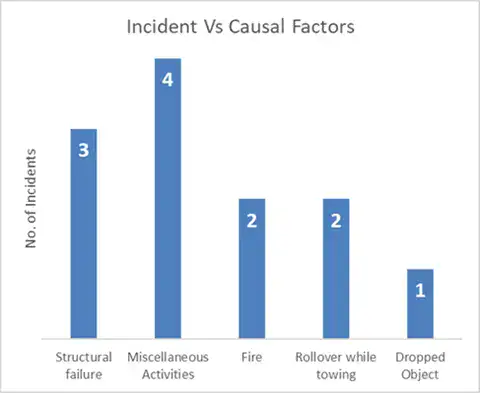
A review of lighting tower incidents reported across Western Australia over a 13-month period has identified recurring hazards, common failure modes and systemic gaps in asset management. The incidents included structural failures, fires, dropped objects and injuries sustained during routine handling and towing activities, many of which had the potential to cause serious or fatal outcomes.
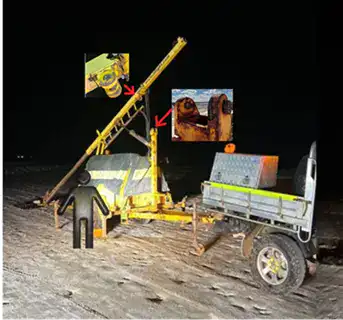
Structural failures were the leading cause of high-potential incidents, with multiple cases involving failed pivot components, collapsing masts and corrosion-driven instability. Electrical faults ignited fires in several towers, while a detached solar panel created a significant dropped-object hazard. Workers also sustained hand and finger injuries during set-up, pack-down and towing tasks.
These incidents show how quickly routine lighting tower operations can become high risk when mine operators do not prioritise inspection, maintenance and task planning. They reinforce the need for consistent procedures and effective controls to manage both mechanical and operational hazards.
Takeaways
- Implement routine inspections: Establish and document regular structural inspections to identify corrosion, wear and component fatigue.
- Remove defective equipment from service: Repair or replace damaged, worn or compromised components promptly.
- Verify structural integrity before use: Conduct thorough pre‑start inspections prior to operations, relocations and pack downs.
- Apply safe towing practices: Follow documented procedures to prevent instability, rollovers and trailer detachments.
- Assess task-specific risks: Identify hazards during set-up, pack-down and handling activities, with a focus on pinch points and manual tasks.
- Eliminate line-of-fire hazards: Keep workers clear of collapse zones, suspended components and dropped-object risks.
- Maintain electrical systems: Inspect and test wiring and components regularly to detect faults and reduce fire risks.
- Standardise procedures: Develop and implement consistent processes for operating, relocating and maintaining lighting towers.
Summary
Lighting tower incidents continue to present risks of serious injuries and fatalities, particularly where teams do not manage structural integrity, inspection regimes and operational controls effectively. Structural failures, fires, dropped objects, towing incidents and routine handling hazards can result in sudden, high-consequence events. Preventing these incidents requires consistent inspection and maintenance activities, clear and standardised procedures, task-specific risk assessments and competent supervision. Proactively identifying and controlling hazards during lighting tower operations will reduce the likelihood of repeat incidents and help protect workers from serious harm.