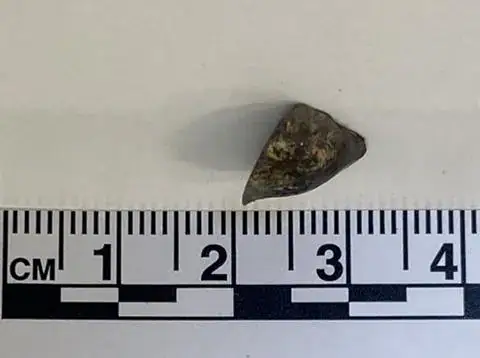
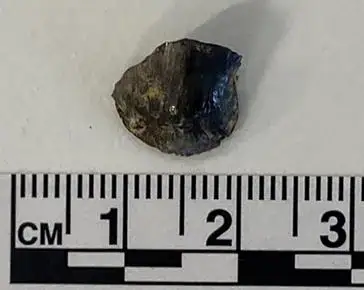
Maintenance teams continue to face a serious and preventable hazard: metal fragments ejected during striking tasks. Incidents have occurred during the removal and installation of bucket teeth—known as ground‑engaging tools (GET)—as well as hinge pins and locking pins. When workers strike these components, metal shards can break free and travel at high speed.
These incidents have injured field service and maintenance fitters, with metal fragments embedding in legs, groins, arms and necks, often requiring medical treatment. These events highlight the serious consequences of uncontrolled line-of-fire exposures and demonstrate how quickly routine tasks can escalate into high-risk situations.
Investigations show that maintenance teams often underestimate this hazard. In several cases, workers used incorrect or poorly maintained tools, bypassed original equipment manufacturer (OEM) instructions or site procedures or worked without adequate supervision and task planning.
Takeaways
- Eliminate line-of-fire exposures: Remove non-essential personnel from work areas and position workers outside impact zones.
- Plan tasks thoroughly: Conduct risk assessments and review work practices to reduce the probabilities and consequences of projectile hazards.
- Use correct tools: Select well-maintained and properly dressed tools suitable for tasks, including soft-face hammers where appropriate.
- Ensure competency and supervision: Train and assess workers and actively supervise them during high-risk maintenance tasks.
- Apply engineering controls: Use mechanical aids to reduce manual striking and deploy ballistic shielding where workers cannot eliminate projectile risks.
- Wear appropriate personal protective equipment: Follow OEM instructions and site procedures, including the use of face shields and protective clothing.
Summary
Maintenance activities involving striking tools can produce high-energy projectiles capable of causing serious or fatal injuries. These risks are well known and foreseeable. Preventing such incidents requires eliminating line-of-fire exposures, using correct tools, maintaining effective supervision and implementing robust planning and engineering controls. Managing projectile risks is a shared responsibility that demands disciplined adherence to safe work systems to ensure every worker returns home safely.