Work at height remains a high‑risk activity in WA mining operations, especially during scaffolding tasks where workers frequently install and remove temporary structures and components. A recent incident underscored the dangers of using inappropriate anchor points for fall protection.
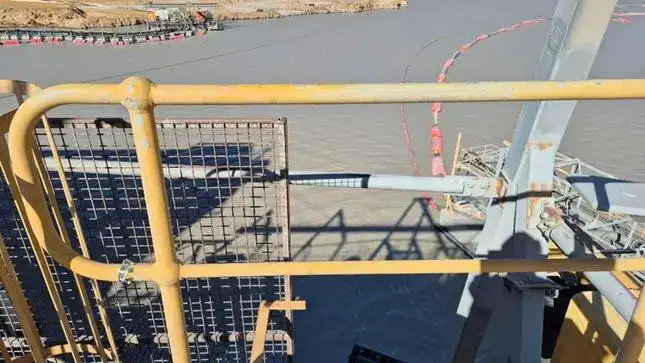
While working at height on a structure, a scaffolder was connected to a handrail using a safety harness. The scaffolder was in the process of removing a drop-in handrail, which would create an opening to the level below.
The lanyard was attached to the top rail of the handrail, which was neither a fixed nor a designated anchor point. This created a risk that the connection point could shift along the rail or be removed entirely during the task. The lack of a secure, rated anchorage system exposed the scaffolder to a significant fall hazard.
This incident highlights the importance of connecting fall-arrest systems to appropriate, designed and rated anchor points, particularly during the modification or removal of scaffold components.
Takeaways
- Use rated anchor points: Connect fall‑arrest systems exclusively to anchorages designed, installed and certified to withstand fall forces.
- Anticipate changing conditions: Assess how work tasks (for example, removing scaffold components) may affect the integrity of anchor points during jobs.
- Reduce fall distances: Configure systems so workers travel the shortest possible distance before arresting a fall.
- Conduct comprehensive risk assessments: Secure appropriate approvals for all high-risk work at height.
- Verify worker competency: Confirm that people performing scaffolding or working at height are trained, competent and familiar with site procedures and safe work method statements.
- Evaluate alternative access methods: Determine whether equipment such as boom‑type elevating work platforms provides a safer option after identifying hazards and applying relevant controls.
- Maintain effective supervision and oversight: Provide adequate supervision to ensure safe systems of work are implemented and consistently followed.
Summary
Using inappropriate or non‑rated anchor points during work at height exposes workers to significant fall risks, especially during the modification or removal of scaffold components. Effective planning, the use of compliant anchorage systems and competent supervision all play critical roles in ensuring fall‑protection systems function as intended and workers are not exposed to avoidable hazards.