Light vehicles are essential to Western Australian mining operations, but they continue to pose significant safety risks, particularly when operated on unsealed roads over long distances.
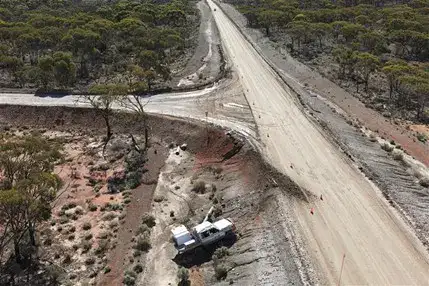
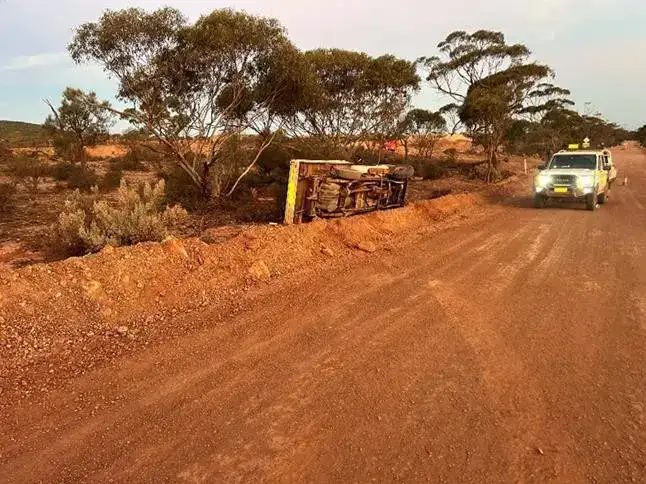
Recently, WorkSafe has received reports of multiple light‑vehicle rollover incidents on WA mine sites, resulting in one fatality and several serious injuries. While investigations into these incidents are ongoing, initial observations and historical trends point to a consistent set of contributing causes, including:
- human and organisational factors, such as fatigue, training gaps, driver distractions and inappropriate speeds;
- traffic management issues, such as road design, layout and maintenance deficiencies;
- environmental conditions, such as wet or degraded road surfaces and reduced visibility due to sun glare;
- operating vehicles on unsealed roads over long distances.
These incidents reinforce the need for WA mine operators to maintain structured, risk-based approaches to light-vehicle management, especially in challenging environmental or operational conditions.
Takeaways
- Develop workforce capability: Train workers thoroughly, verify their competency and enforce compliance with site traffic management rules and procedures.
- Conduct proactive road upkeep: Schedule and complete regular inspections and maintenance, including grading, drainage management, signage checks and ensuring road markings remain clear and visible.
- Enforce seatbelt use: Maintain seatbelts in safe working condition and require they be worn at all times when operating light vehicles.
- Regulate driving speeds: Match vehicle speeds to road conditions, especially when transitioning between different surface types and approaching corners, curves and ramps.
- Implement fatigue controls: Apply and enforce fatigue management plans to ensure workers remain alert, rested and fit for duty.
- Integrate layered risk controls: Combine engineering, administrative and behavioural measures to effectively reduce rollover risks.
- Assess vehicle modifications: Review any additions or changes, such as toolboxes or mounted equipment, to confirm impacts on stability, braking systems and vehicle carrying capacities.
- Maintain vehicle roadworthiness: Keep vehicles in safe operating condition, including monitoring tyre wear and inflation pressures appropriate for road types and speeds, noting that some tyre designs require reduced speed limits.
Summary
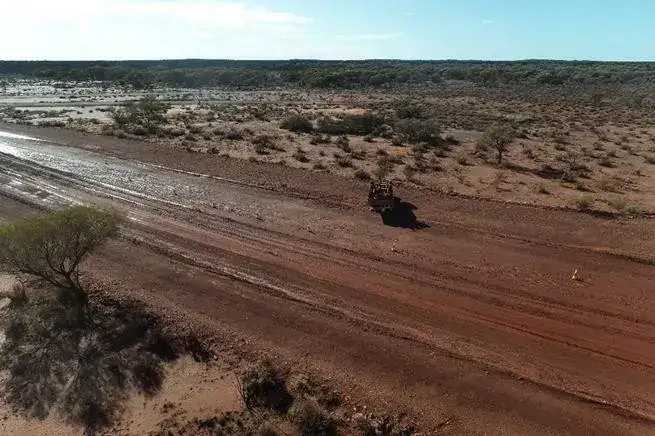
Light-vehicle rollovers remain one of the leading causes of serious injuries and fatalities in the WA mining industry. These events typically arise from a combination of contributing factors, including human behaviour, road conditions and environmental influences. Reducing rollover risks requires comprehensive, risk-based approaches that integrate robust traffic management, consistent road maintenance, high operator competency and effective fatigue management. Together, these controls play a critical role in preventing rollover incidents and safeguarding workers.