
Summary
A recent electrical incident has highlighted the importance of proper isolation and verification before cutting cables.
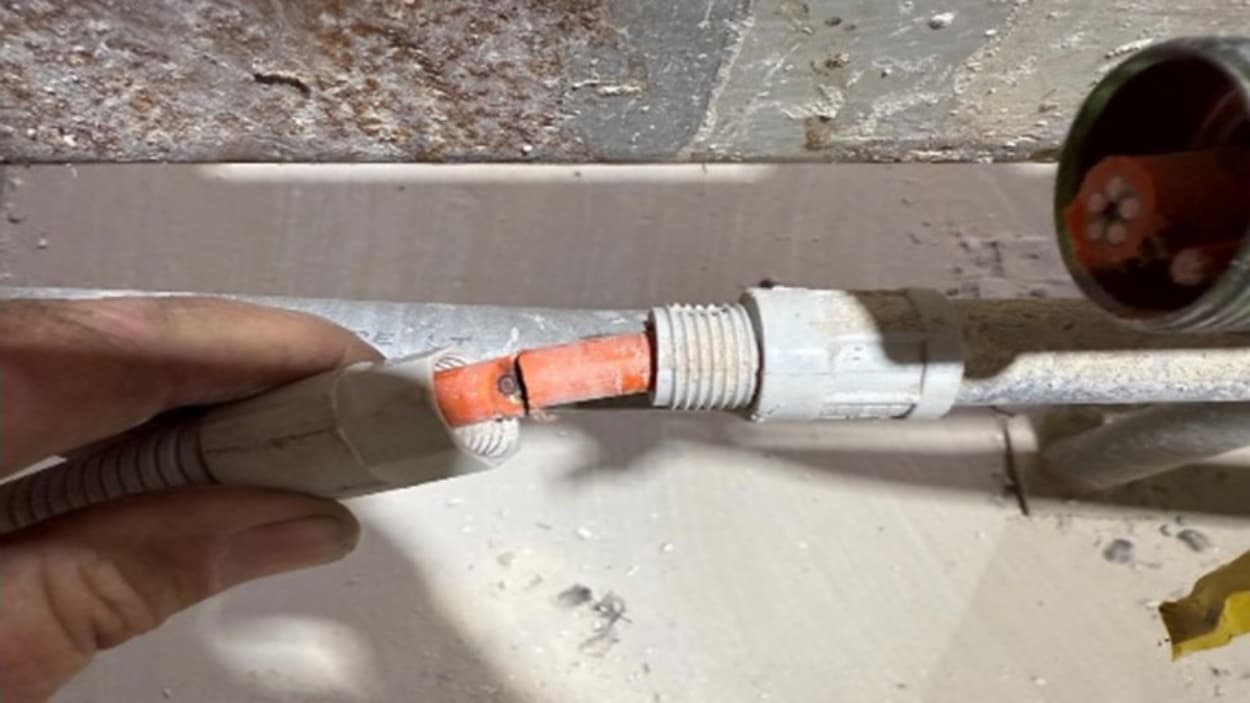
Workers were tasked with removing a redundant conveyor, and the site’s Electrical Supervisor confirmed that the conveyor’s motor was redundant, and its cables were safe to cut. However, the workers assumed all cables in the area were de-energised. While cutting with a grinder, they accidentally severed a live electrical cable—one that was not connected to the conveyor’s motor.
Cutting into live electrical cables poses a serious risk of arc flash, electric shock, or electrocution, any of which can lead to serious injury or death.
Key takeaways for industry
- Always test before working on electrical equipment – The PCBU or Person with Management/Control must ensure that a competent person tests all electrical parts before work begins. If found to be live, it must be de-energised first.
- Electrical work must only be done by authorised personnel – Work on electrical installations must only be carried out by licensed workers under the Electricity (Licensing) Regulations 1991.
- Follow AS/NZS 3012:2010 for electrical installations – construction and demolition work – Electrical installations on construction and demolition sites must comply with this standard.
- Assess competency and complexity – Electrical Supervisors must consider both the task complexity and the competency of workers who will undertake the task when electrical cables or exposed electrical equipment are involved.
- Remove redundant electrical equipment safely – Cabling should be removed from its live source by authorised personnel before dismantling redundant equipment.
- Electrical Supervisors must be involved in risk assessments – Tasks like this require a thorough risk assessment (JHA/JSA) that includes electrical isolation and circuit testing as part of the safety plan.
For any queries, please contact wscallcentre@demirs.wa.gov.au