
- Losses of control/uncontrolled movements—brake failures, rolling mobile plant on declines and evasive manoeuvres leading to rollovers feature prominently.
- Light vehicle vulnerability—there’s an over-representation of light vehicles in collisions and run-off-road events, particularly on haul roads where road conditions, windrows and speed differentials with heavy equipment increase risk.
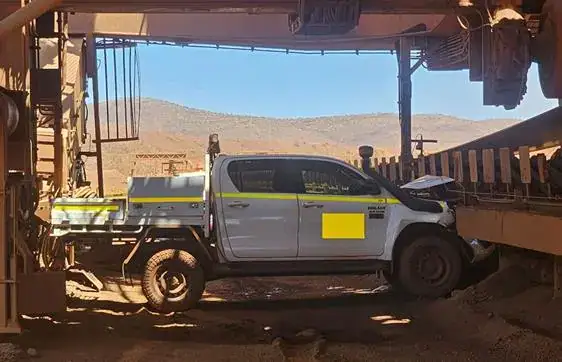
- Visibility and line-of-sight issues—rear-end collisions and evasive actions imply insufficient communications between operators, limited sightlines, operator distractions and reduced situational awareness.
- Road designs and conditions—haul-road edges, windrow delineations, poor road surfaces and steep gradients are common contributory factors.
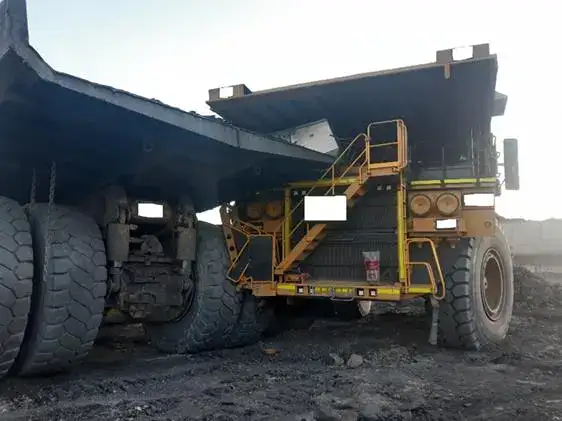
- Brake and mechanical integrity—the frequency of incidents involving brake malfunctions or losses of brake pressure highlights the need for consistent inspection, maintenance and pre-start verification routines.
Key takeaways
Light vehicles
- Operate to conditions because haul roads change rapidly and light vehicles have limited protection in collisions.
- Ensure the clear delineation of windrows, edges and intersections, particularly at night or in dusty conditions.
- Reinforce defensive driving practices and minimum approach distances to heavy equipment.
Haulage vehicles/road trains
- Maintain clear lines of sight and sufficient stopping distances, particularly when speed differentials are high.
- Review road geometry, such as crests, curves, and Y-intersections, to reduce blind spots and increase line-of-sight distances.
- Emphasise positive radio communications for all interactions, particularly approaching/overtaking scenarios.
Mobile plant (surface and underground)
- Apply safe parking practices where vehicles parked on sloping surfaces are turned into sidewalls underground or windrows at surface mining and quarry operations.
- Verify the condition of service brakes and hydraulic systems during pre-start routines because losses of pressure can lead to catastrophic rollbacks.
- Establish that operators understand gradient-specific risks and know the emergency procedures for uncontrolled movements.
Site traffic management
- Update traffic management plans regularly to ensure that they accurately reflect road designs, delineations, signs, vehicle separation controls, onboard driver performance monitoring and human factors.
- Perform regular inspections to confirm road surface conditions, traffic controls, windrow heights, water applications, lighting and visibility are safe.
- Use supervision, training and coaching to address human and organisational factors, fatigue, distraction, complacency and inattention.